Leading 3D printer OEM 3D Systems has announced a partnership with Antleron, a Belgium-based biotechnology company, to develop regenerative products for personalized patient care.
“The vision of Antleron is to sustainably bring living therapies into the clinic,” said Jan Schrooten, CEO of Antleron. “3D printing is key to this endeavor, and we are eager to collaborate with 3D Systems and its experts.
“I look forward to the pioneering solutions we’ll be able to achieve to elevate the efficacy of bioprinting and extend its biomedical application reach.”
Living therapy factories
Founded in 2014, Antleron has developed software which pioneers workflows enabling personalized medicine. One of its solutions, ‘living therapy factory’ merges cells, biomaterials, biologics, bioreactors, and 3D Systems printers to accelerate the engineering of living therapies. This operates using systematic quality-by-design (QbD) an approach to developing pharmaceuticals and AI.
Through the new partnership, 3D Systems and Antleron will address solutions for medical device and advanced therapy medicinal product (ATMP) applications. In particular, the advancement of growing cells and tissues will be a focus to enable the transition from a static 2D to a bioreactor-based 3D cell culture. This will lead to new ways to methods of producing medical implants, vaccines, cell therapies, and living tissues.
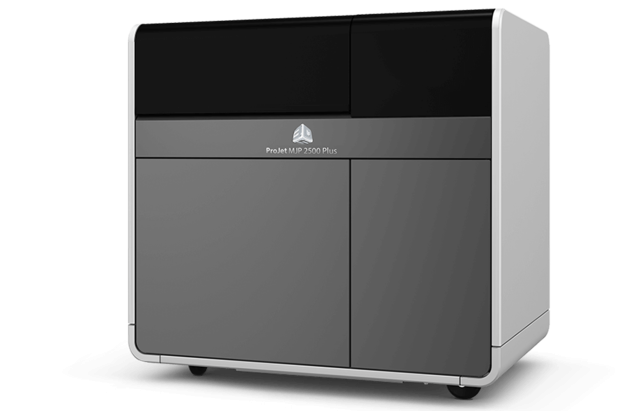
Technologies such as ProJet MJP 2500 and Figure 4 3D printers as well as VisiJet materials from 3D Systems will be utilized to establish a flexible, scalable digital factory approach in building new 3D bioprinting platforms. The modular closed parametric systems includes digital monitoring and quality control for risk mitigation.
Upon the company’s latest partnership, Chuck Hull, co-founder and CTO, 3D Systems, added, “3D Systems is excited about working with Antleron as they explore bioprinting, and especially their capacity to develop end-to-end solutions utilizing the 3D Systems’ state of the art printing platforms and materials.”
“As we look to the future, bioprinting and regenerative medicine are large opportunities for 3D printing, and we look forward to expanding the role 3D Systems will play in these exciting fields.”
Developments on this agreement will be exhibited at Formnext 2019 from November 19-22, at 3D Systems’ booth D03, Hall 12.1.
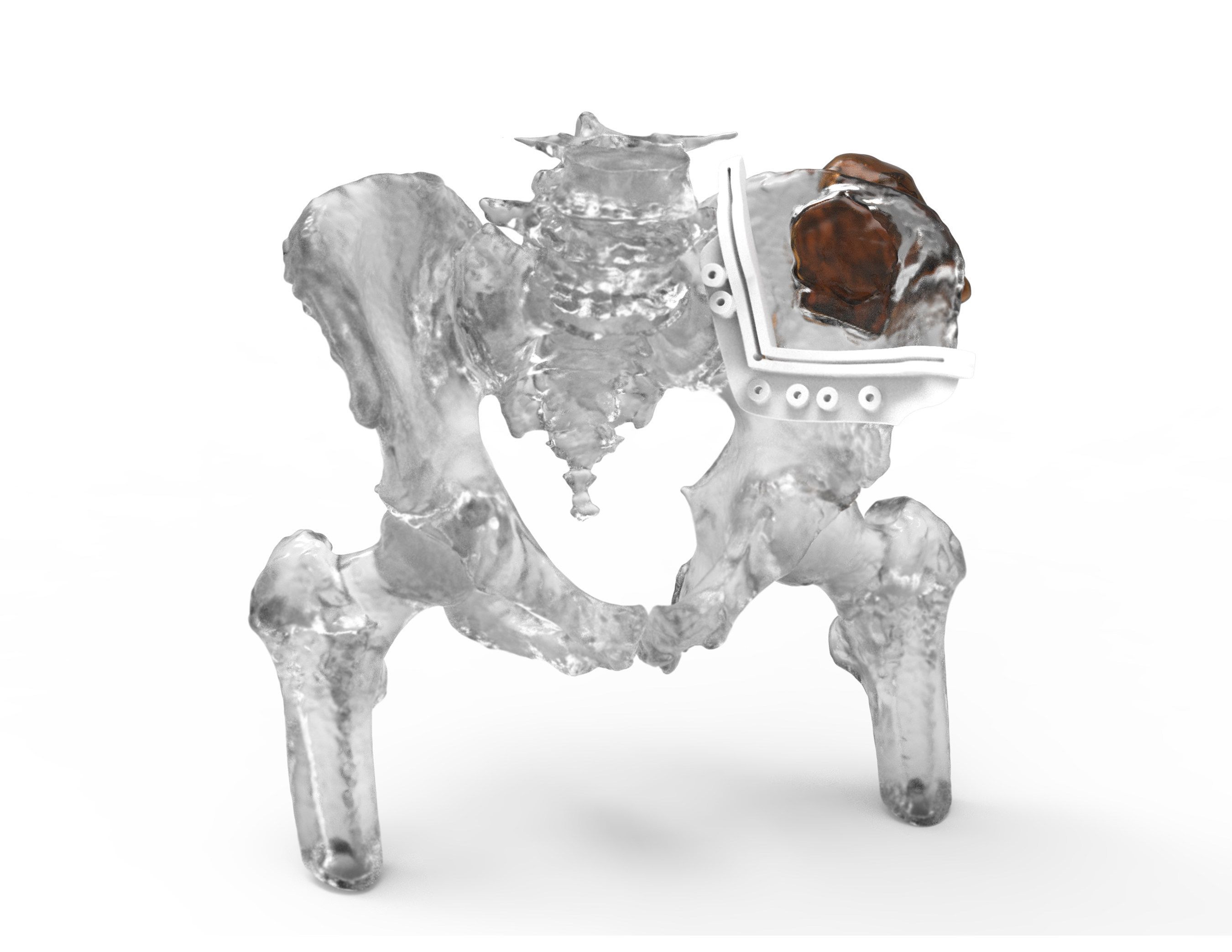
3D Systems’ FDA cleared VSP Orthopaedics solution enables surgeons to obtain a clear 3D visualization of a patient’s anatomy and develop a personalized surgical plan, prior to entering the operating room. Image via 3D Systems
Looking for a career in additive manufacturing? Visit 3D Printing Jobs for a selection of roles in the industry.
Featured image shows a 3D Systems SLA skull & reconstructed jaw. Photo via: 3D Systems Healthcare
Qrons, a New York-based biotechnology start-up, has announced an Intellectual Property (IP) License Agreement with Dartmouth College, New Hampshire, to develop 3D printable implants to treat penetrating or traumatic brain injuries (TBI).
TBI is caused by sudden damage to the brain from an external force. As stated by the World Health Organization (WHO), TBI has resulted in a large number of deaths and impairments leading to permanent disabilities. Such injuries require long-term care and incur approximately $76 billion in medical costs annually.
As a result of this agreement, Qrons has received an exclusive worldwide license of IP associated with 3D printable materials in the fields of human and animal health. Ido Merfeld, Co-founder and Head of Product, Qrons, stated:
“The intellectual property covered by this license has been instrumental in helping us advance our research on the treatment of penetrating brain injuries. We believe combining Qrons’ proprietary hydrogel with customizable 3D printing capabilities is an innovative approach to treating traumatic brain injuries, for which there are limited treatments.”
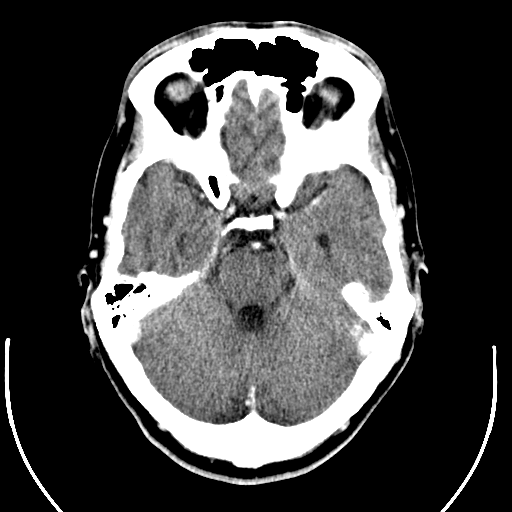
A CT brain scan of a cranium with TBI. Image via Qrons.
Traumatic brain injuries
According to Qrons, treating patients with TBI can be difficult as each injury is different in size, shape, spread, and location. While penetrating injuries cause mechanical damage to brain tissue, non-penetrating injuries inflict widespread neuronal disruption.
In an effort to repair TBI’s, researchers from the company, which was founded in 2016, have identified that each injured site must receive a continuous flow of neuro-protective and neuro-regenerative agents. This prevents further neuronal damage and stimulates neurons to migrate to the injury site, regrow axonal processes and regenerate brain tissue.
Thus, genetically modified mesenchymal stem cells (MSCs) are being developed to secrete these agents to continuously and safely drive TBI repair mechanisms. Qrons is using the patented process “Mechanically interlocked molecules-based materials for 3D printing” to create injury-specific 3D printable implants for TBIs.
Jonah Meer, Co-founder and CEO, added, “There is a great need for our promising treatments, and this technology is an integral part of our work to develop innovative 3D printable, biocompatible advanced materials.”
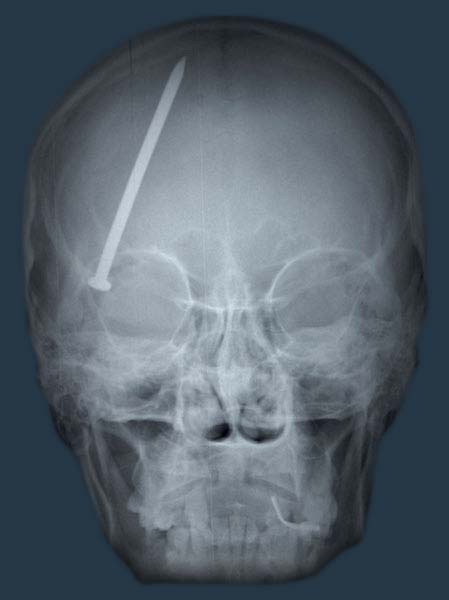
A CT scan of a nail in the head causing a TBI. Image via Qrons.
Cell-synthetic hydrogel-based 3D printing
Working with advanced stem cell-synthetic hydrogel-based solutions, the Qrons research team is collaborating with Chenfeng Ke, Associate Professor of Chemistry, Dartmouth College, a member of Qrons Scientific Advisory Board and Qianming Lin, Ph.D. candidate an inventor of the licensed 3D process.
The new agreement provides for the payment by Qrons of initial and annual license fees and royalty payments based upon Qrons’ product sales. Professor Ke, stated, “We are excited to partner with Qrons and continue the development of smart hydrogels with 3D printing capability for the treatment of traumatic brain injuries.”
Looking for a career in additive manufacturing? Visit3D Printing Jobs for a selection of roles in the industry.
Featured image shows a CT brain scan of a cranium with TBI. Image via Qrons.
myReflection, a New Zealand-based medical start-up, is developing personalized breast prostheses for cancer patients post-mastectomy, using 3D scanning and 3D printed molds.
The prostheses are made from a 3D torso scan and are designed with an inner core and an ISO-certified outer silicone. Jason Barnett, Chief Technology Officer and head of myReflection’s research and development, explained:
“Traditional prostheses don’t tend to last that long, so there’s a real concern when you start to see your generic prosthesis slowly deteriorate, knowing you might have to buy the next one out of your own pocket.”
“The material we use for our prostheses is very stable, elastic and tear-resistant so it can last the four years, but it depends on the user. Ultimately, each prosthesis is made to be usable and loseable, and it’s about giving these women a sense of confidence.”
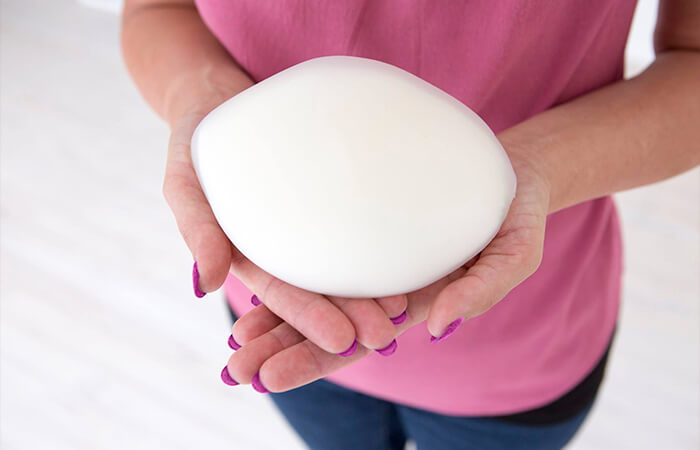
A custom-made breast prosthesis made using a 3D printed mold. Photo via myReflection.
3D printed breast prostheses
Tim Carr, Director of myReflection, began exploring 3D printing for the creation of a breast prosthesis in 2015 after his partner Fay Cobbett was diagnosed with breast cancer. Following a mastectomy or the surgical removal of one or both breasts, Cobbett chose to wear prosthetics rather than have reconstructive surgery.
Nevertheless, the prosthesis, which fit into a specially-made mastectomy bra, was found to be uncomfortable, heavy, and hard to maintain due to its delicate nature. As a result, the couple sought to create a lightweight, custom-fit breast prosthesis with a soft inner core that molded into the body without gaps or pressure points. This model does not require a specialized bra.
Finding the 3D printed molds as a method successful to create the alternative prosthesis, the couple established myReflections in February 2019 to treat women post-mastectomy. Thus far, the company is offering 3D scanning consultation in Auckland only, and a 3D printed prosthetic is priced as NZ$613 (US$408). myReflection is aiming to produce 320 units sold in a month (approximately $196,000).
Established at QUT, the Joint Research Centre for the Development of Functional Biomaterials in Advanced Manufacturing of Human Tissues and Organs will focus on the creation of tissue to support the repair ageing bodies. The funding comes from the Palaszczuk Government and also involves the East China University of Science and Technology.
“Queensland’s older population is expected to grow by 68% over the next 10 years and about a third of China’s population will be over 60 by 2050,” said Jacklyn Anne Trad, Deputy Premier of Queensland.
“With increasing numbers of older people needing care our health systems will be put under enormous pressure. By accelerating research in this important field, we can improve the quality of life for all of us as we get older, reducing the burden off our health care systems.”
“The next generation of biomaterials”
According to Professor Margaret Sheil AO, Vice-Chancellor President of QUT, the joint research centre was largely the result of six years of successful collaboration between QUT and Shanghai scientists. This includes the exploration of the economic benefit and growing demand for biomaterials.
The main goal of the centre will be to 3D print living tissue replacements to restore the functions of damaged tissues and organs in the treatment of bone and joint disorders, such as osteoporosis, osteoarthritis, fractures and soft tissue trauma.
“Research progress has reached the stage where we are poised to up the ante with the aim of developing and manufacturing the next generation of biomaterials for bone and cartilage repair, skin regeneration and joint reconstruction,” explained Professor Sheil.
“This is brilliant science, holding up hope for millions of people suffering from arthritic pain and age-related injuries.”
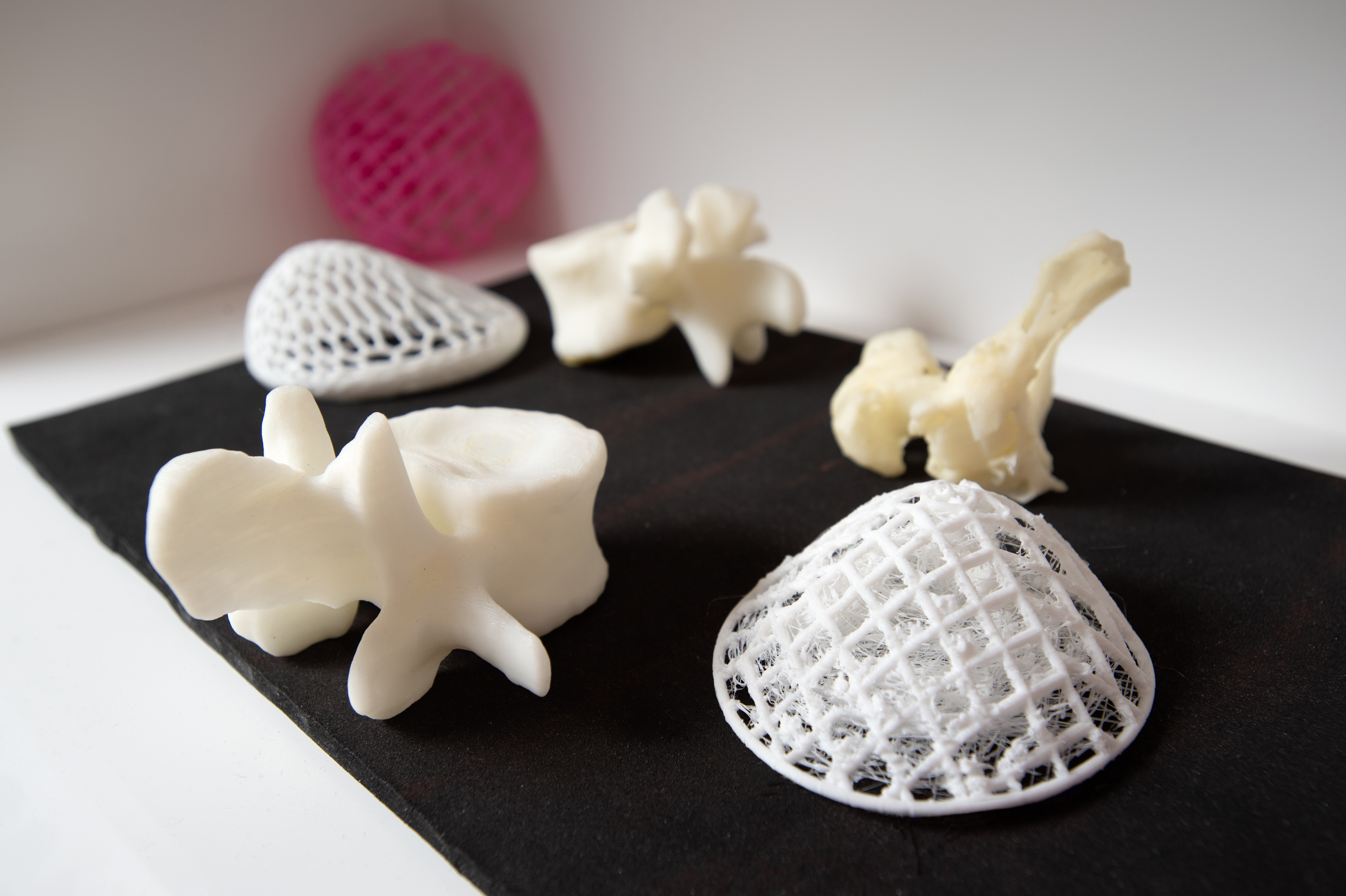
3D printed vertebrae, and breast implant scaffolds. Photo via QUT.
QUT and medical additive manufacturing
Researchers from QUT have identified 3D bioprinting technology as “the next pharmaceutical revolution.” This followed their development of a 3D printable bioink that can be tuned to exhibit different mechanical properties and support the growth of human stem cells.
Professor Sheil added, “The Queensland and Chinese researchers are looking to develop a ‘bioink’ that they can use to engineer scaffolds that can replicate the characteristics of tissues and even organs.”
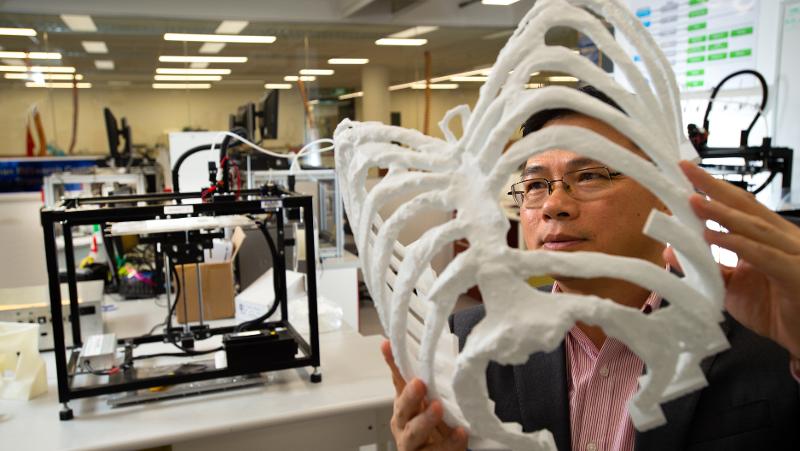
Featured image shows a 3D printed rib cage model. Photo via QUT.
nAngioDerm, a regenerative medicine project partnered with Microlight3D, a French ultra-high-resolution 3D printer manufacturer, has received funding in the amount of €747,000 to aid the healing of wounds from ulcers or major burns.
Under EuroNanoMed, a European platform funding research programs, the nAngioDerm project will acquire its grant from the French National Research Agency (ANR). Denis Barbier, CEO of Microlight3D, stated:
“Microlight3D is very proud to be a partner in nAngioDerm, its first European research consortium. Collaborating with such high-level academic organizations on such a key health issue is further recognition of the value of our 3D microprinting technology for regenerative medicine applications.”
“This project is a great opportunity in helping to further develop our micro-scale 3D printing systems for use in future health applications.”
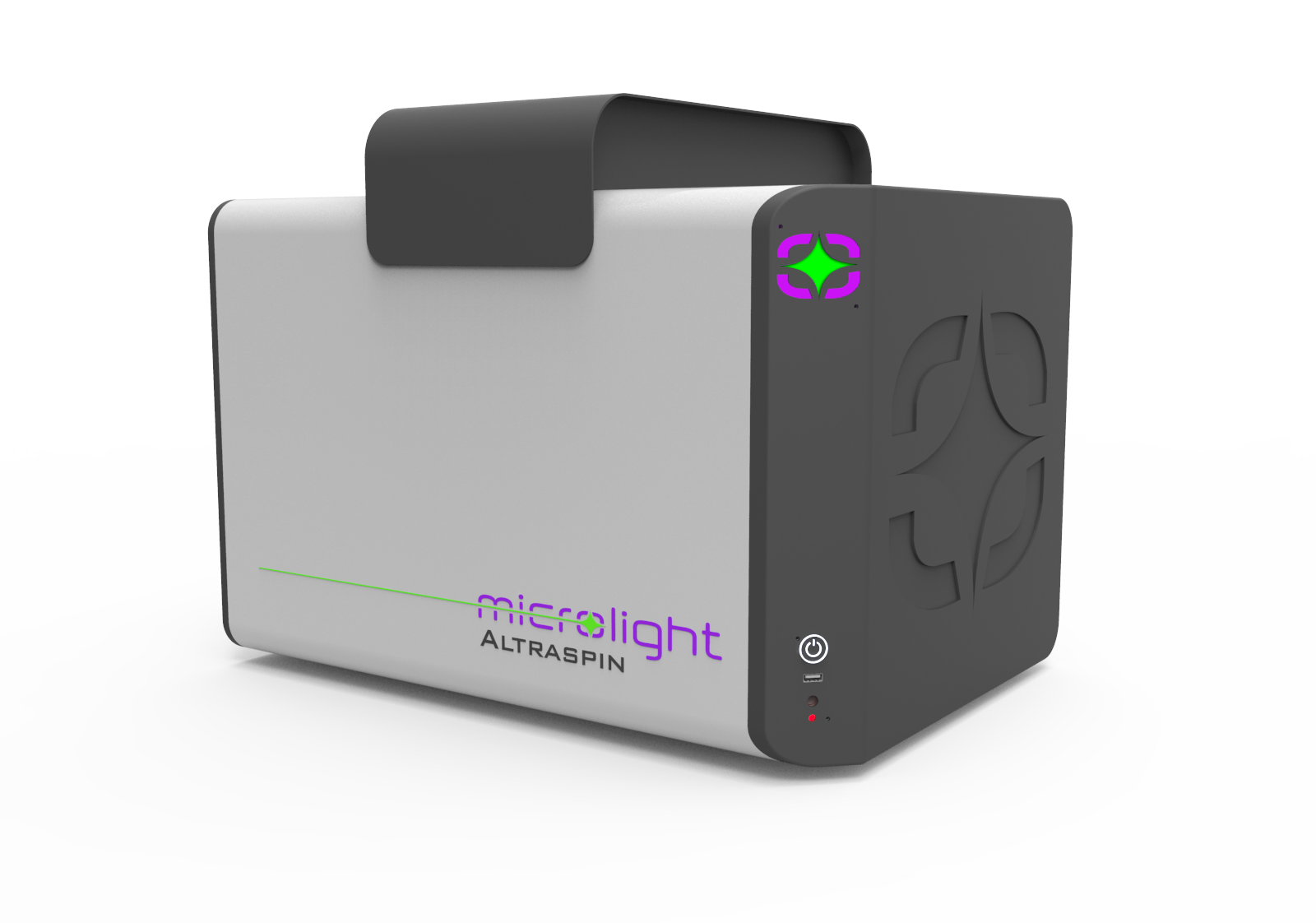
The Microlight3D Altraspin 3D printer. Image via Microlight3D.
The nAngioDerm project
Commencing this month, the nAngioDerm project seeks to address the global burden of skin and subcutaneous diseases which has reportedly increased rapidly over a 10-year period. From 2009, such ailments have been said to affect as many as 20 million people living with acute wounds, as a result of surgery, or chronic skin ulcers.
According to the NHS, the annual cost of managing wounds was estimated to be £4.5–5.1 billion. Microlight3D, as well as five European partners collaborating on the nAngioDerm project, will develop a cost-efficient 3D printer and process dedicated to cell-scaffold application to enable living tissue to regenerate itself and facilitate healing.
More specifically, the lead partner, the Institute for Bioengineering in Catalonia (IBEC), will explore bio-active ions from biodegradable polymeric nanocarriers. This will lead to the creation of nanostructured devices that promote the in-situ regeneration of damaged skin without the need of cells or growth factors.
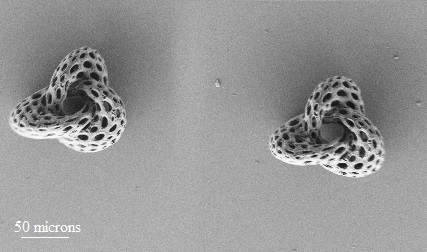
SEM image of moebius knots with Voronoï porosity 3D printed at Microlight3D. Image via Microlight3D
Mircolight3D technology
Founded in 2016, Microlight3D is a specialist in two-photon polymerization. In this method, ultrashort pulses of light are used to initiate the polymerization of a liquid medium two photons at a time. The technique is specially suited to producing incredibly small objects, the likes of which could fit on the tip of a pencil or smaller.
Recently, Microlight3D acquired Smart Force Technologies (SFT), a micro-scale 2D printing firm, opening up new possibilities for microfluidic 3D printing. Prior to this, the company launched the Altraspin, a 3D printer capable of producing a resolution as low as 0.2µm – up to 100 times smaller than the width of a human hair.
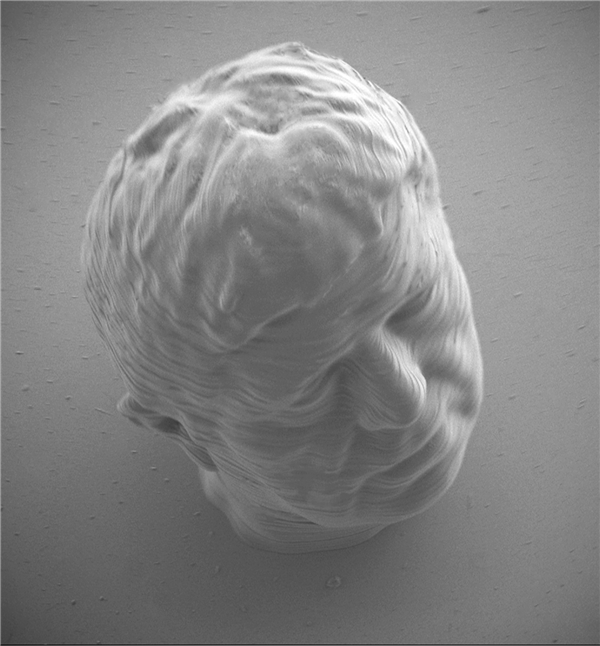
Self-portrait of French artist Michel Paysant made in collaboration with Microlight3D. Image via Michel Paysant
Looking for a career in additive manufacturing? Visit 3D Printing Jobs for a selection of roles in the industry.
Featured image shows SEM image of moebius knots with Voronoï porosity 3D printed at Microlight3D. Image via Microlight3D.
Robert Smith, an iron worker from St. Petersburg, Florida, has become the first person to receive a 3D printed finger bone implant in the U.S.
Dr. Daniel Penello from Alexander Orthopedic Associates and a team from Additive Orthopedics, a New Jersey-based medical technology company, worked to create the custom 3D printed bone replacement. The alternative for Smith’s injury would have been amputation. Dr. Penello states, “No implant like this was ever conceived or created and I wanted to make sure that this was going to be the one and only procedure he needed.”
3D printed patient-specific implants
In 2017, Smith crushed the middle finger on his left-hand’s at work. Completely shattering the bone, the injury drastically hindered his ability to grab, grip, or clasp. Initially, as an operation would have been too complicated, Smith was given the option to either live with the broken finger or have it amputated, which stopped him from returning to work. Thankfully Dr. Penello offered a third option through additive manufacturing.
In partnership with Additive Orthopedics a 3D printed finger implant was created to fit Smith’s left hand and return its mobility.
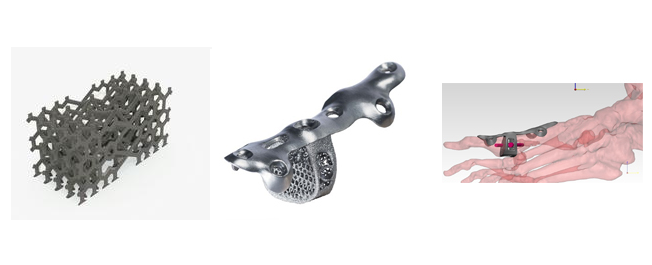
Additive Orthopedics, recently won FDA clearance for its patient-specific 3D printed locking lattice plates which align, stabilize and fuse fractures and other problems found in small bones. This technology has been previously used to create 3D printed titanium hammertoe implants, treating a series foot and ankle injuries.
This lattice design, which was incorporated into the 3D printed finger implant, has smaller external pores and larger internal pores, enabling for the more efficient healing.
From left to right: Additive Orthopaedics’s lattice structure, plate / wedge orthopaedic device, and diagram of installment in the foot to combat a toe fracture. Images from Additive Orthopaedics.
“Artificial meets the biological”
Two months after the FDA approved surgery, Smith has regained some movement in his finger that was previously not possible. Nonetheless, Dr Penello recognises the risk and rewards of the unique procedure.
“There’s always a risk of fracturing or loosening where the artificial meets the biological [however] to be able to have full use and function of the finger, just like it never happened, is absolutely incredible,” Dr. Penello told Fox 5.
Dr. Penello hopes this surgery will aid others with similar injuries in the future.
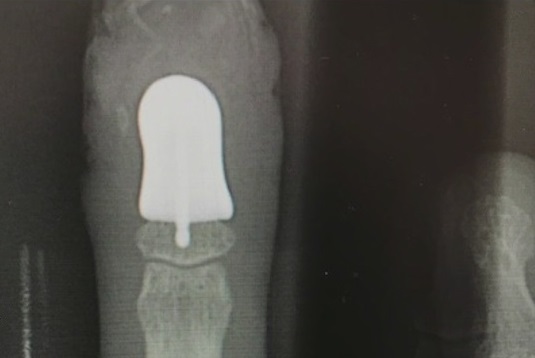
An X-ray of the 3D printed finger implant. Image via Fox 13.
Expected to pilot this fall, the RSNA-ACR 3D Printing Registry is set to enable analyses and demonstrations of the clinical value of 3D printing. This has been recognized as a challenge due the amount of data and technologies used for generating and 3D printing physical models from medical images.
“The creation of the joint RSNA-ACR 3D Printing Registry is essential for the advancement of clinical 3D printing,” said William Weadock, MD, professor of radiology at the University of Michigan and chair of the RSNA 3D Printing Special Interest Group (SIG).
“The registry will allow us to collect data in support of the appropriate use of this technology and its value in clinical decision making, and this collaboration between RSNA and ACR shows the importance of 3D printing to radiology.”
Formlabs, HP, Materialise and Stratasys have provided critical financial support in the form of unrestricted grants for this initiative.
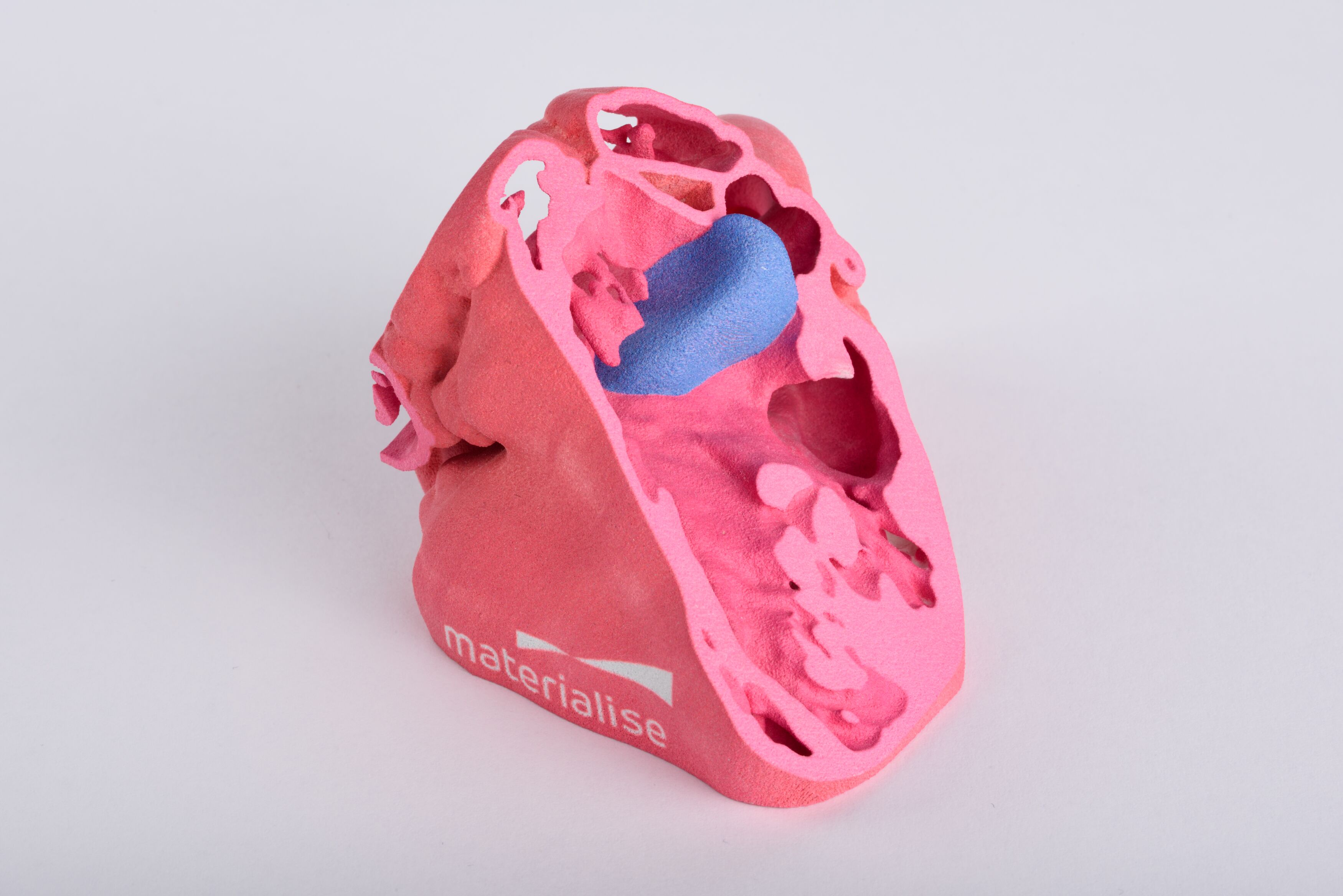
An anatomical 3D printed heart model made by Materialise and HP. Photo via Materialise.
Bench marking 3D printing for clinical care
The RSNA-ACR 3D Printing Registry follows last month’s release of four new Category III Current Procedural Terminology (CPT) codes for the production of 3D printed anatomical models and personalized cutting or drilling tools. The CPT codes, proposed by the ACR, are tailored towards reimbursement for the making of such medical equipment.
“Medical models and surgical guides have been 3D printed for well over a decade, as niche applications — and without CPT codes,” explained Frank Rybicki, MD, PhD, chair of the ACR Committee on Appropriateness Criteria and founding chair of the RSNA SIG.
“For example, craniomaxillofacial care providers generally accept that 3D printing is valuable and integral to patient care. However, when applying for CPT codes, it became clear that this ‘general acceptance’ lacked peer-reviewed literature to demonstrate value. This registry will supply data to benchmark the value of this subspecialty.”
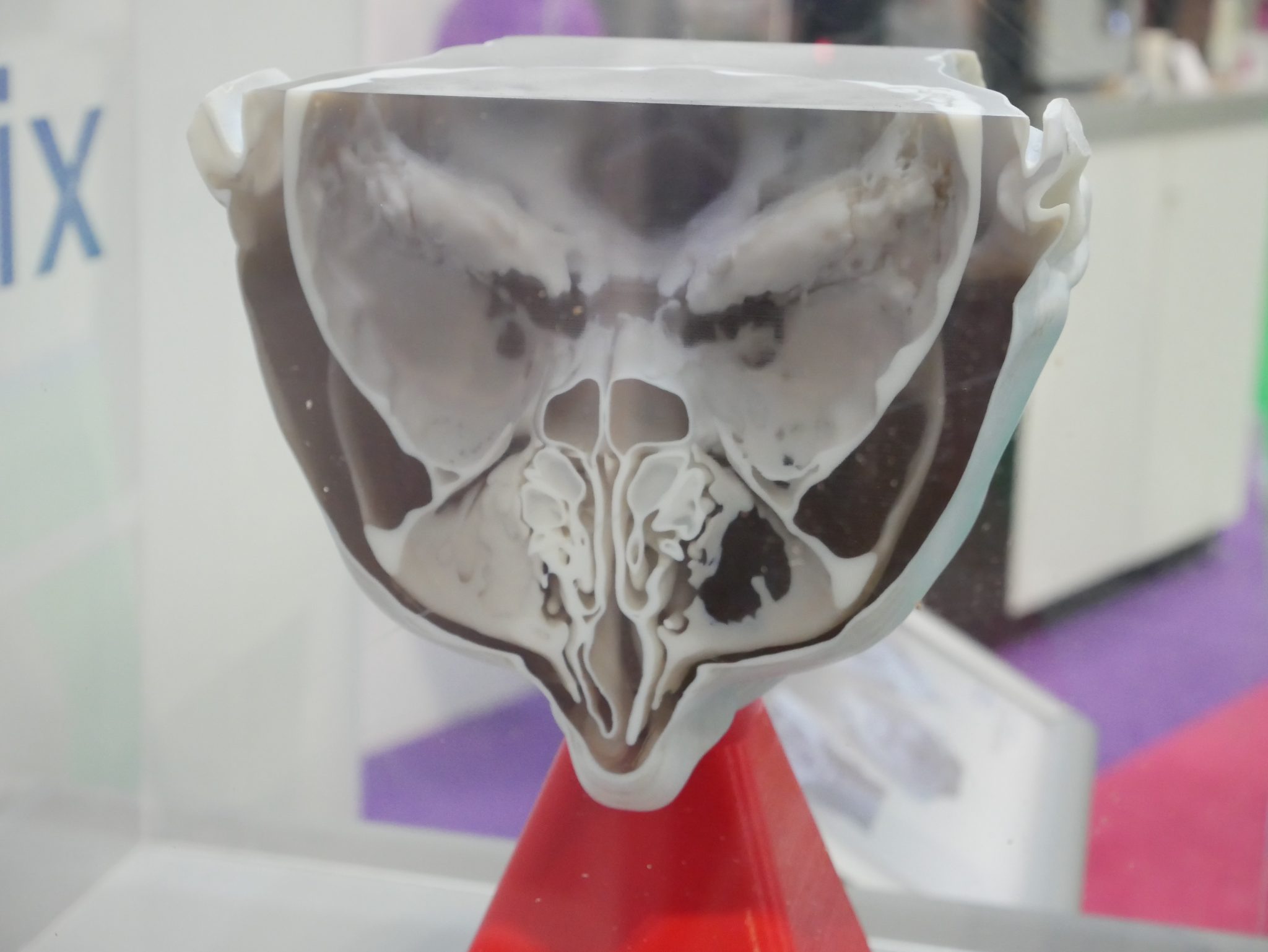
A medical 3D brain model 3D printed on the Stratasys J750 from an MRI scan. Photo by Tia Vialva.
Understanding additive manufacturing in healthcare
The RSNA have previously published a set of guidelines suggesting standard approaches for 3D printing in healthcare. This is also being integrated into the developing 3D printing registry, which will be hosted by the ACR’s National Radiology Data Registry (NRDR) system.
The NRDR is a leading platform for clinical quality registries in imaging and currently houses six registries with more than 6,500 participant sites and more than 150 million cumulative cases. Charles Kahn, MD, MS, chair of the RSNA Radiology Informatics Committee, added:
“The RSNA 3D Printing SIG has brought together leaders from radiology practice and from the 3D printing industry to advance the science and applications of this important new technology. The registry will help us understand the value that 3D printing can bring to clinical practice.”
The registry has been supported by the efforts of Jane Matsumoto, MD; Andy Christensen; Kenneth Wang, MD; Leonid Chepelev, MD, PhD; Edward Quigley, MD, PhD; Justin Ryan, PhD; and Nicole Wake, PhD.
Updates on the RSNA-ACR 3D Printing Registry will be posted via the NRDR website.
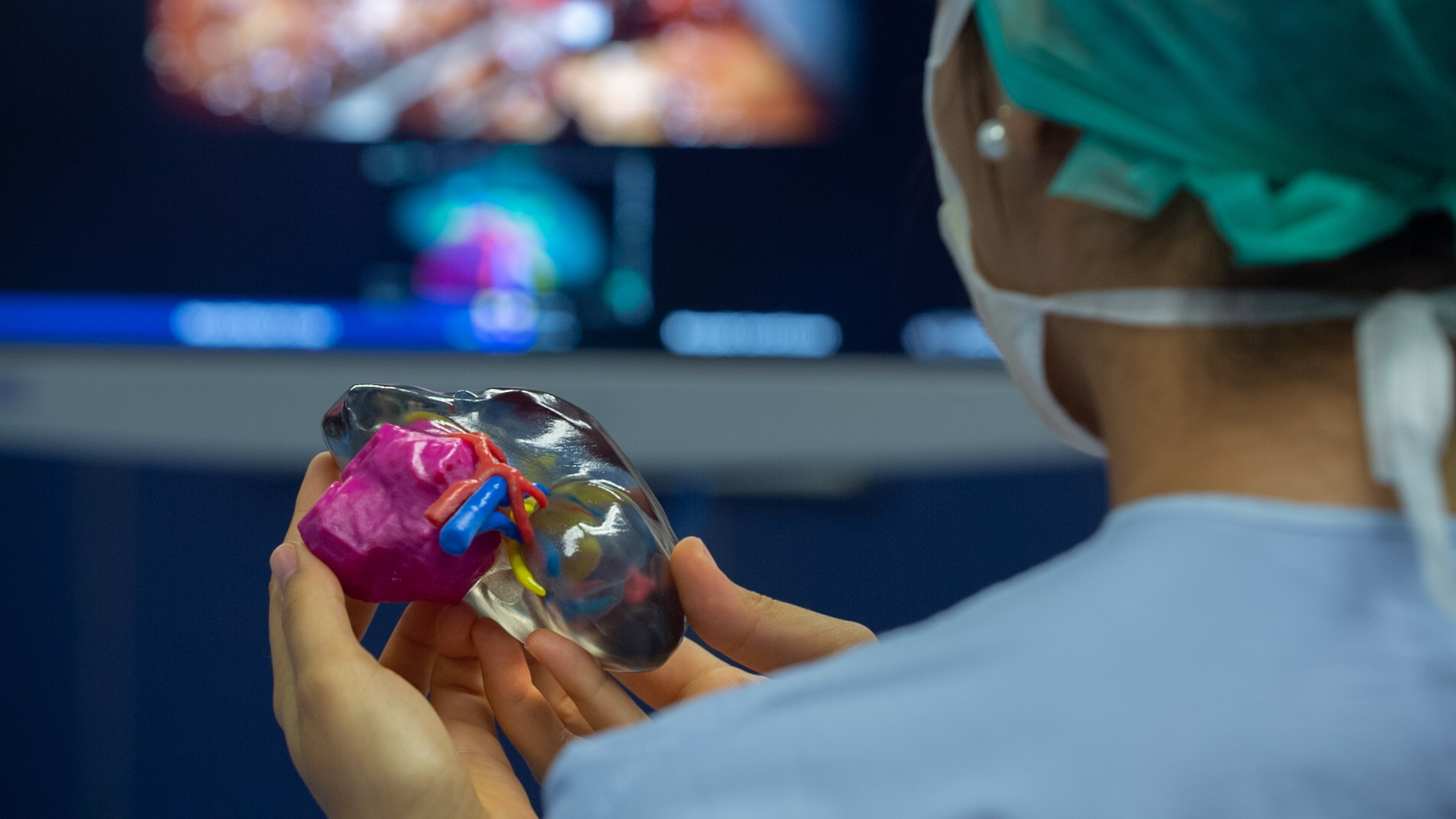
3D printed kidney tumor model used in pre-surgical planning. Photo via Stratasys
FRESH technology is patented to FluidForm, a Massachusetts-based medical startup. Professor Adam Feinberg, CTO and co-founder, FluidForm, and Principal Investigator at the Regenerative Biomaterials and Therapeutics Group, CMU, said:
“We now have the ability to build constructs that recapitulate key structural, mechanical, and biological properties of native tissues. There are still many challenges to overcome to get us to bioengineered 3D organs, but this research represents a major step forward.”
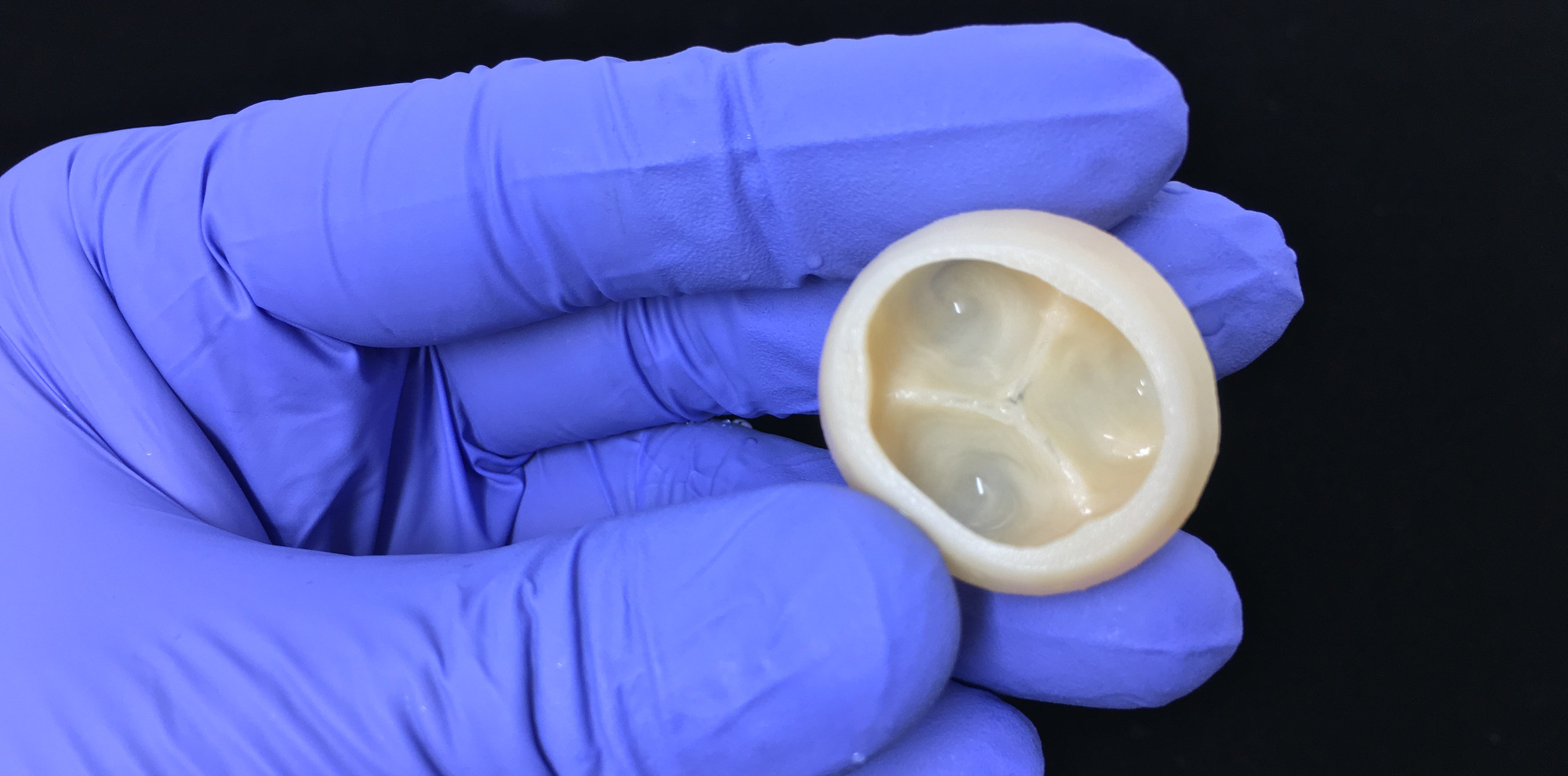
Trileaflet heart valve printed using collagen and FRESH technology. Photo via CMU.
3D bioprinting soft materials
A common hurdle in 3D bioprinting is supporting complex structures made from soft materials and proteins, including collagean. FRESH uses a non-newtonian gel as a support material for such items. The properties of the gel allow a needle printhead to move through them as though they were liquid, overcoming the collapse or sagging of soft scaffolds.
Feinberg and CMU researchers applied rapid pH change during the FRESH process to drive self-assembly within a buffered support material. Mike Graffeo, CEO of FluidForm, adds, “The FRESH technique developed at CMU enables bioprinting researchers to achieve unprecedented structure, resolution, and fidelity, which will enable a quantum leap forward in the field. We are very excited to be making this technology available to researchers everywhere.”
Last year, Feinberg and his team developed an algorithm capable of selecting the optimal parameters for soft-material 3D printing, termed the Expert-Guided Optimization (EGO) method. This algorithm combines expert judgement with 3D printer optimization data to expedite new material development.
3D bioprinted heart models
3D bioprinted heart models from human MRI data were created using CMU’s FRESH method as proof-of-concept showing the potential to build advanced scaffolds for a wide range of tissues and organ systems.
Following this, smaller cardiac ventricles 3D bioprinted with human cardiomyocytes, or cardiac muscle cells, were created to demonstrat a more solid structure, with wall-thickening up to 14%.
Nevertheless, the CMU team recognized the difficulties of generating the billions of cells required to 3D print larger tissues, as well as the undefined regulatory process for clinical translation of their method.
Seeking 3D Printing Jobs? Join and advertise on our dedicated site now to reach professionals in this industry.
Featured image shows a trileaflet heart valve printed using collagen and Freeform Reversible Embedding of Suspended Hydrogels technology. Photo via CMU.